



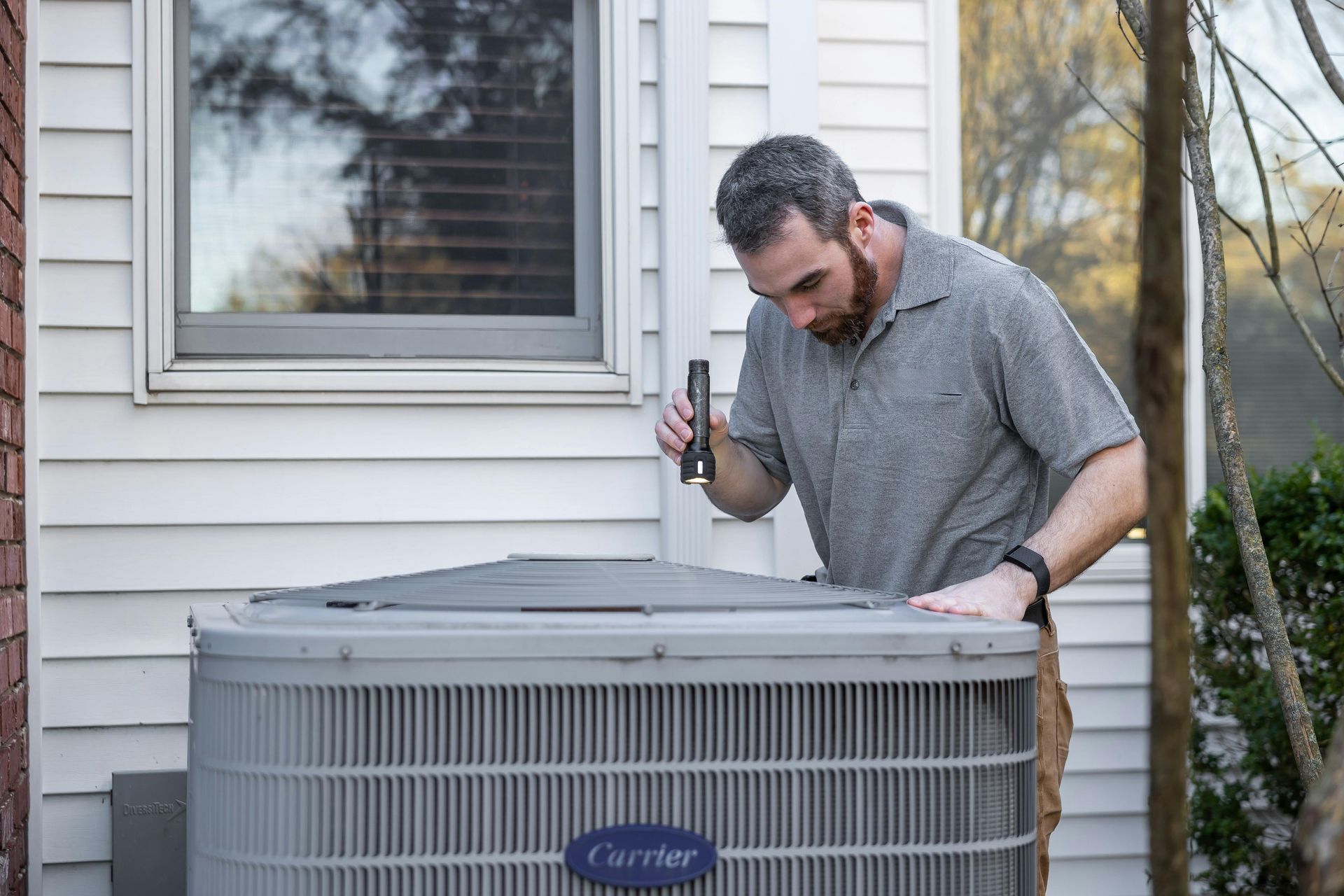
Prepare your GA home for cool weather with 7 fall HVAC maintenance tips from Certified Comfort, including filters, airflow, heating checks, and when to call a pro.

Learn which HVAC airflow issues can make Georgia homes uncomfortable in summer and when to call Certified Comfort of Georgia for expert diagnosis and repairs.
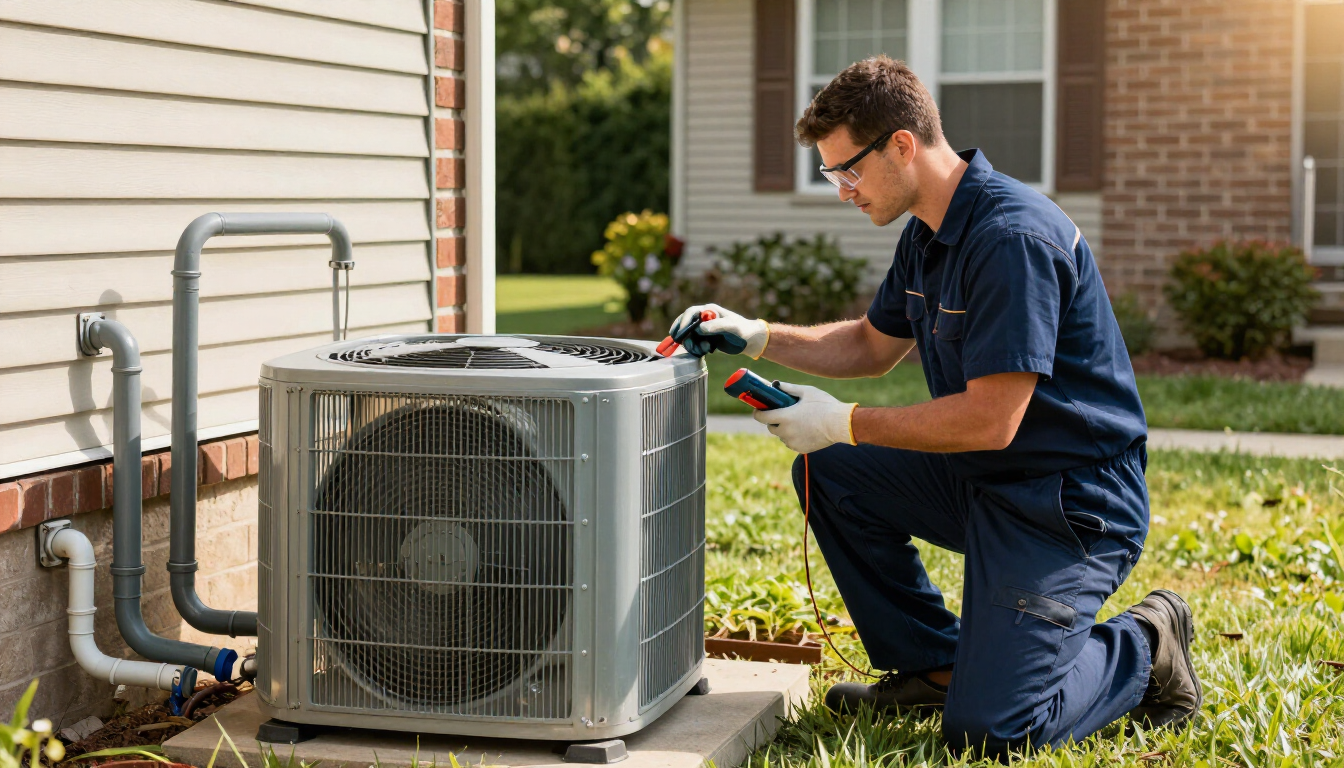
Need emergency AC repair services in Georgia? Learn what to do first, when to call, what repairs may cost, and how Certified Comfort of Georgia can help.
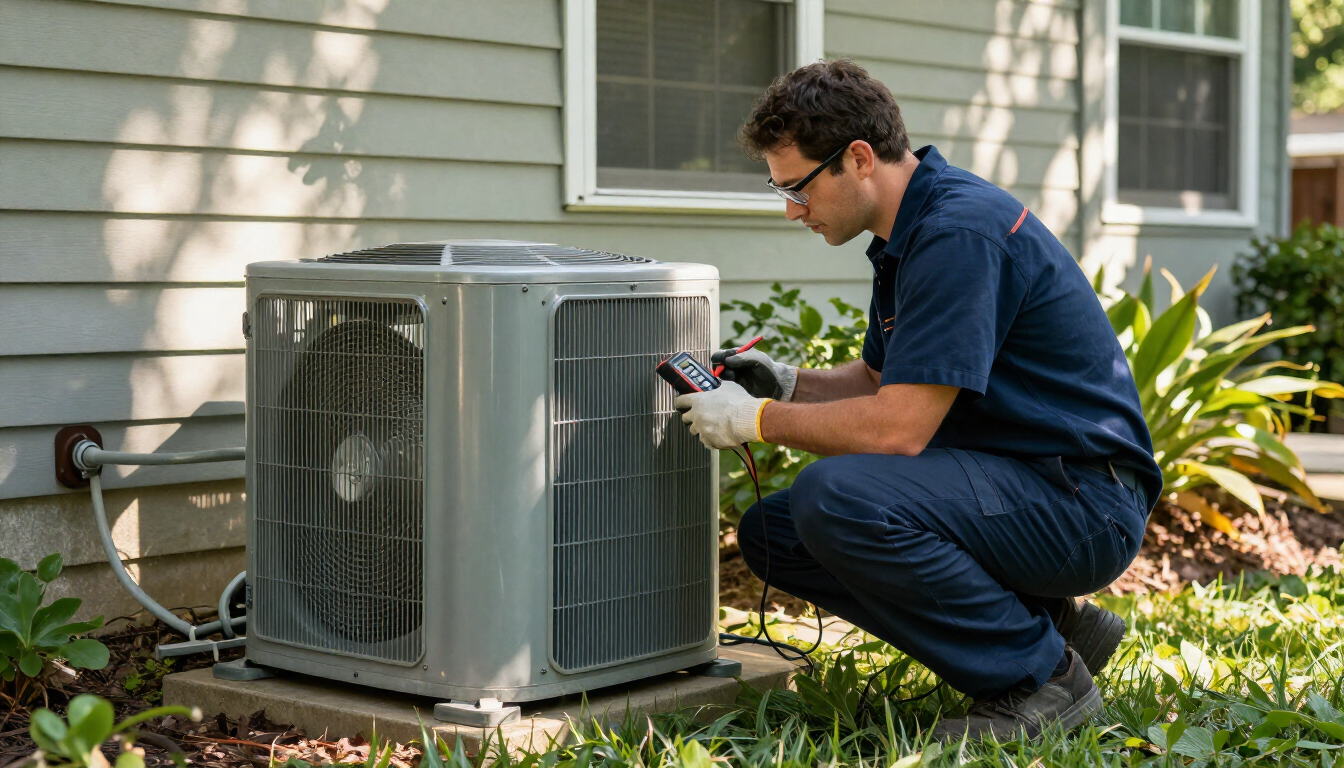
Learn how to save money on your AC bill during Georgia summers with practical thermostat, airflow, maintenance, and energy-saving tips from local HVAC experts.
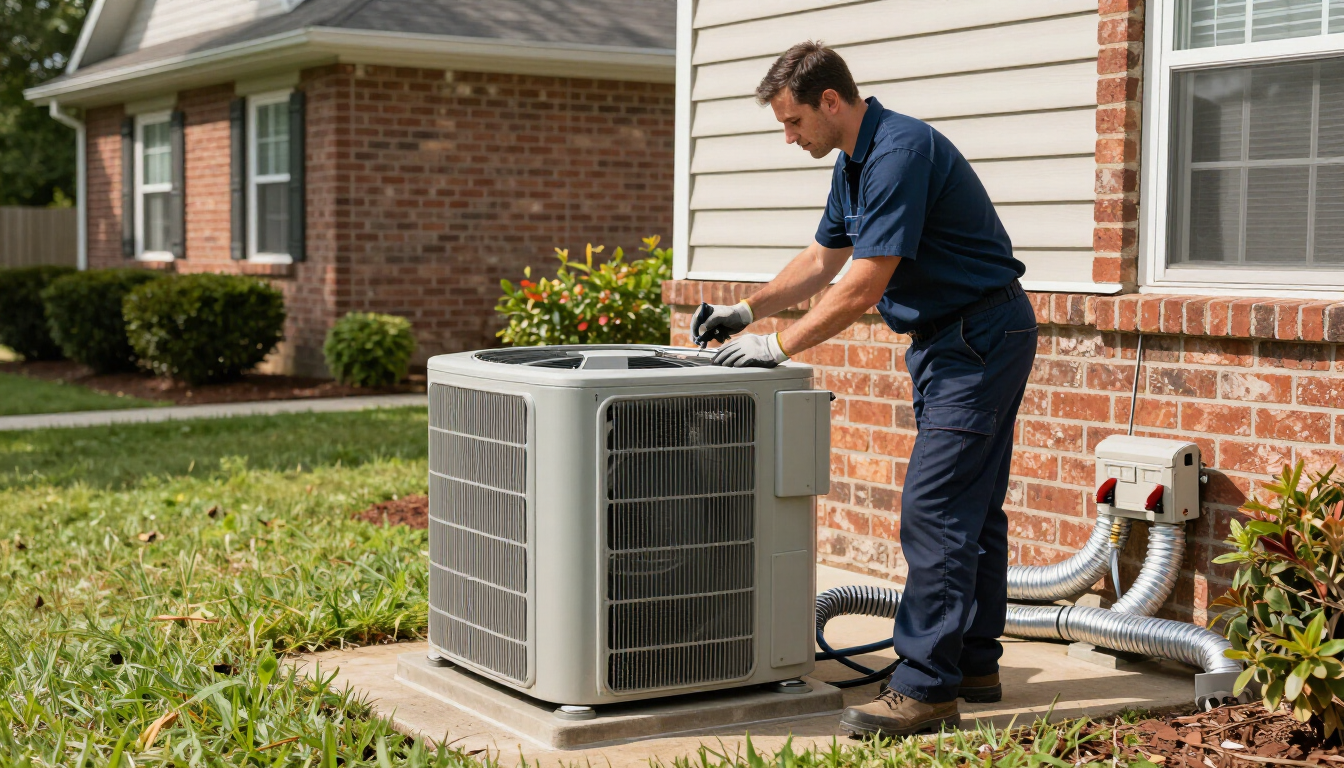
Learn the key summer AC warning signs that your system may be about to fail, plus what to do before a small HVAC problem becomes an emergency.

Discover the critical signs your cooling system needs attention. Learn when to schedule HVAC maintenance this summer to avoid breakdowns and high energy bills in North Georgia.
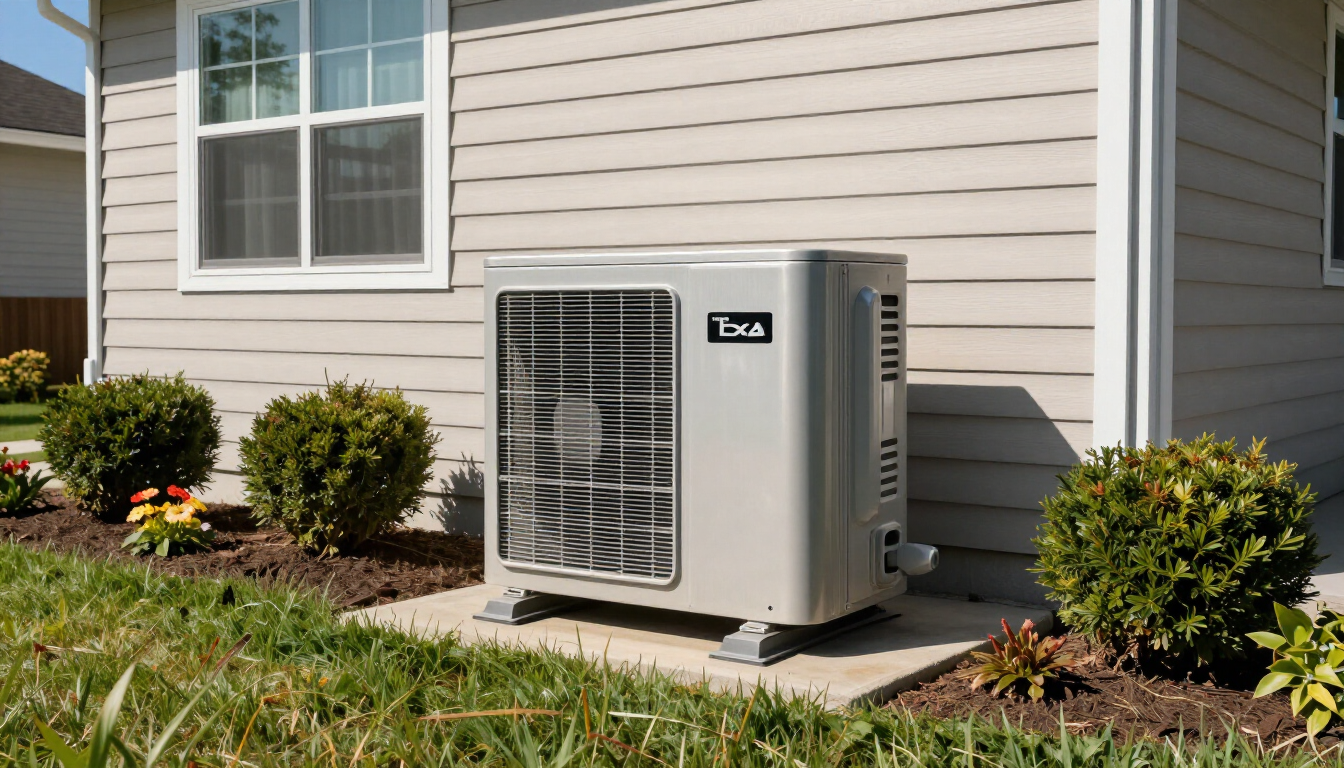
Learn 10 essential summer HVAC maintenance tips to keep your Jefferson, GA home cool and efficient. Expert advice on filters, airflow, and professional tune-ups.
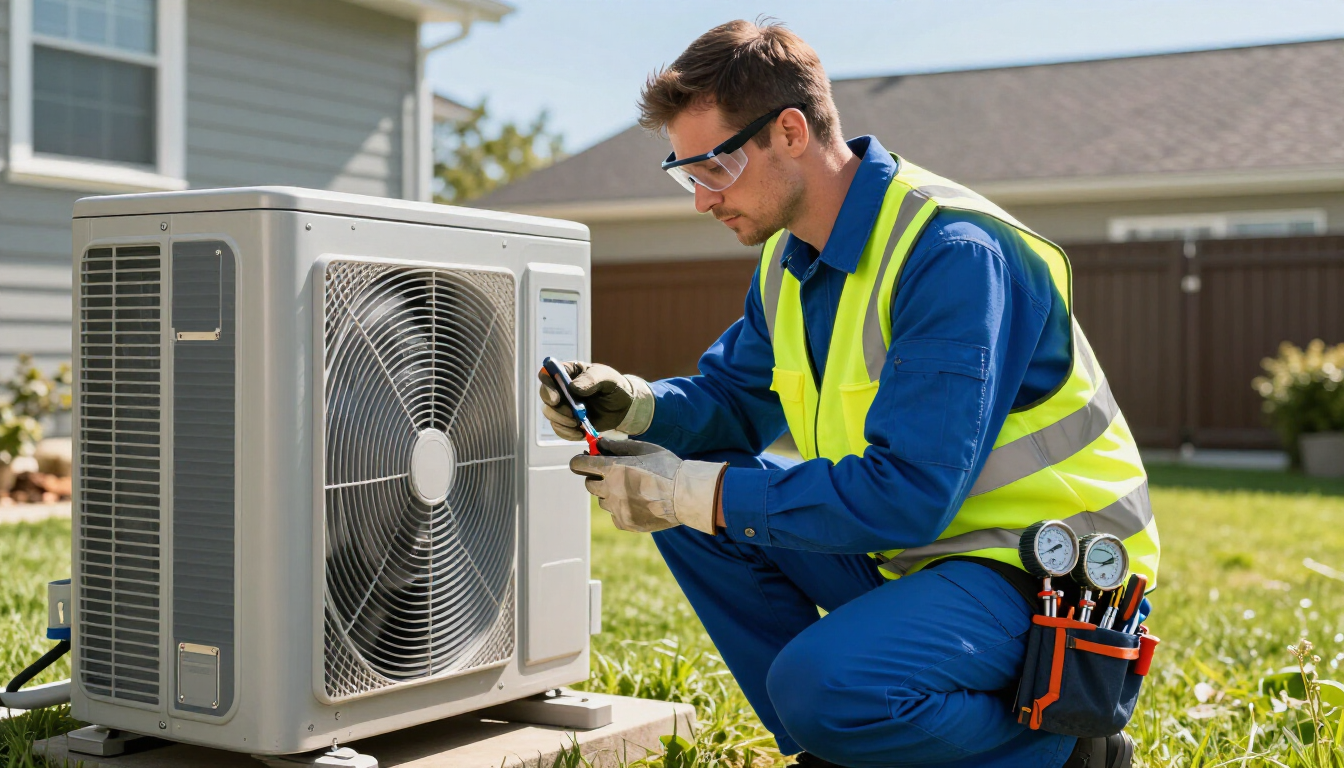
Learn why hiring a licensed and insured HVAC company like Certified Comfort of Georgia is essential for safety, warranty protection, and peace of mind in 2026.
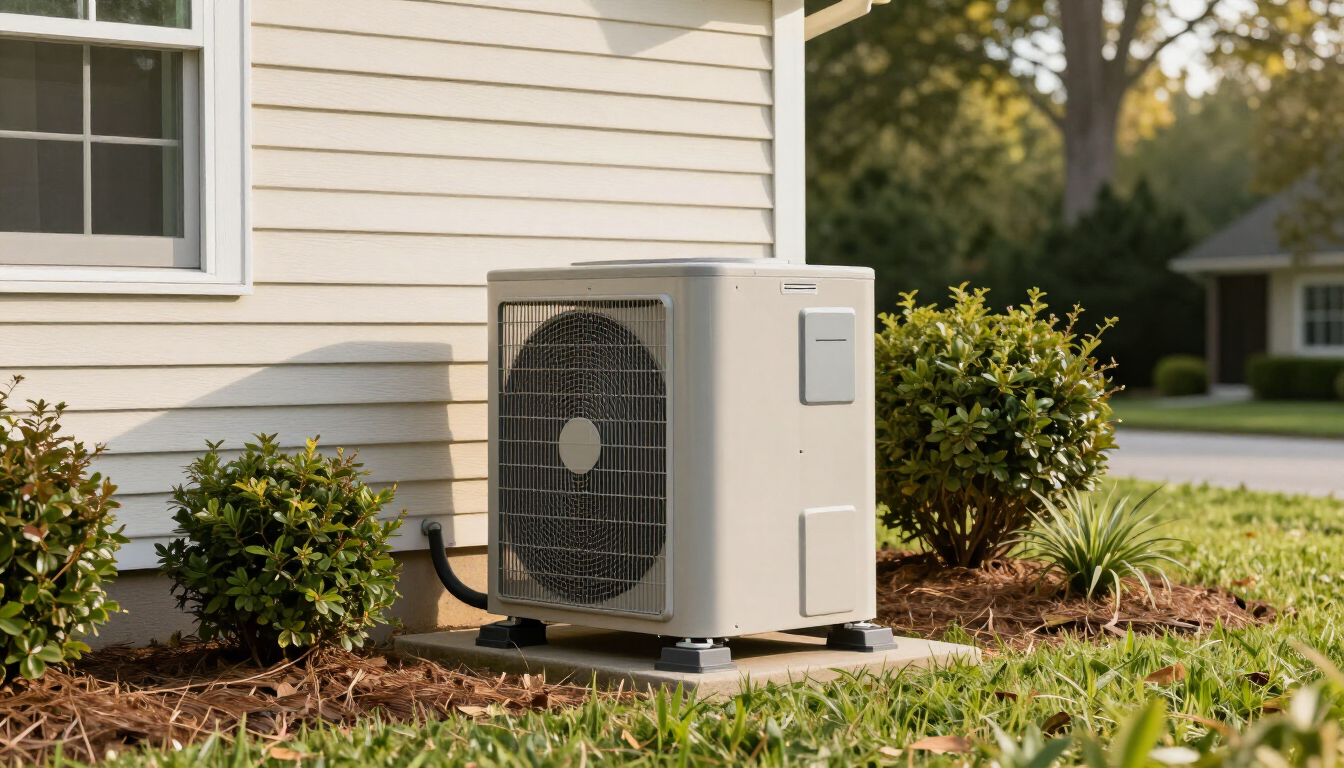
The Georgia HEAR Program provides no-cost or low-cost gas-to-electric HVAC conversions for qualified homeowners. Learn how to save on high-efficiency heat pumps today.
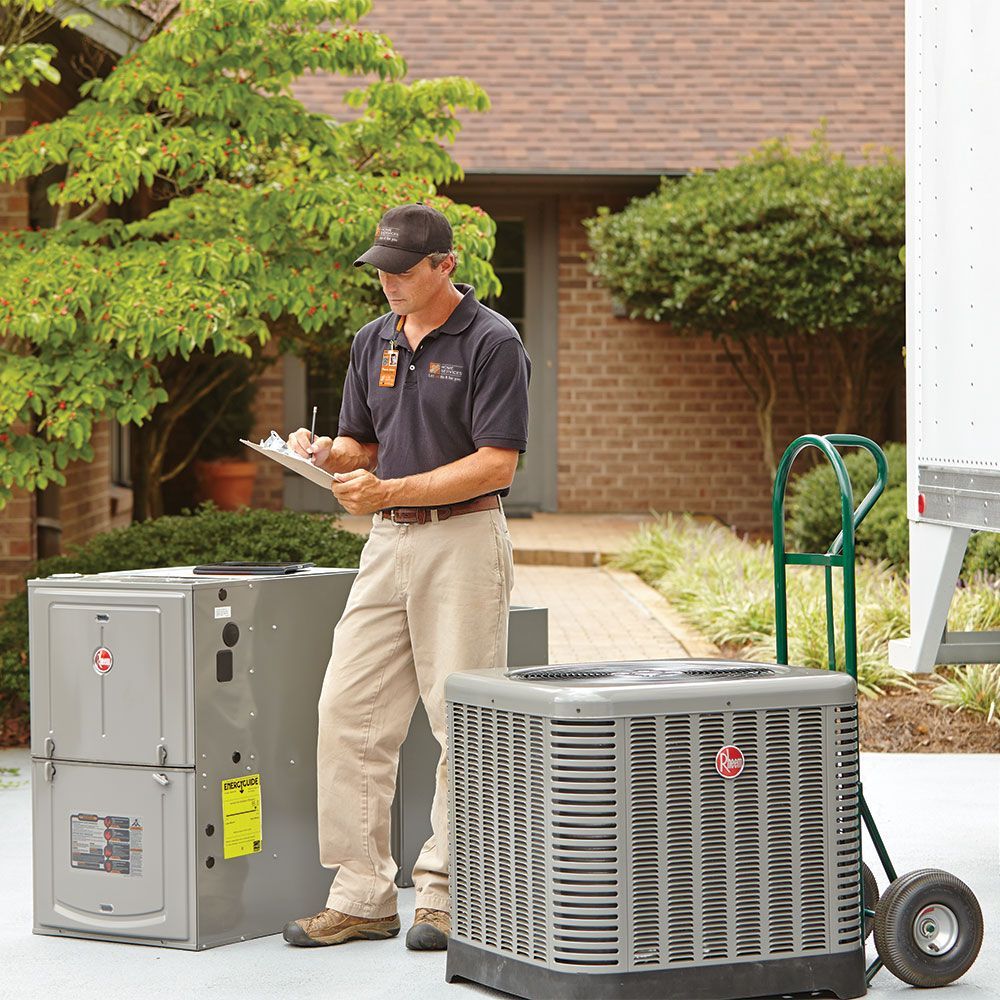
Your HVAC system is one of the most important, and expensive, systems in your home. It keeps your family comfortable through Georgia’s hot summers and chilly winter nights. The good news? With a few simple habits and routine maintenance, you can extend the life of your HVAC system, lower energy bills, and avoid costly breakdowns. At Certified Comfort of Georgia , we help homeowners protect their heating and cooling investment every day. Here are practical, homeowner-friendly steps that make a big difference. 1. Change Your Air Filter Regularly This is the easiest and most powerful thing you can do. A clogged air filter forces your HVAC system to work harder than necessary. That extra strain leads to: Higher energy bills Reduced airflow Uneven temperatures Premature wear on components How often should you change it? Every 1–2 months in peak heating/cooling seasons Every 3 months in mild seasons More often if you have pets or allergies A clean filter improves efficiency and can add years to your system’s life. 2. Keep Vents and Registers Clear Blocked vents create pressure inside your system and disrupt airflow. This can cause overheating, frozen coils, and long-term damage. Make sure: Furniture is not covering vents Curtains are not blocking airflow Dust is regularly cleaned from registers Balanced airflow helps your system operate smoothly and evenly throughout the home. 3. Schedule Annual Professional HVAC Maintenance Preventative maintenance is the #1 factor in system longevity. During a professional tune-up, a technician will: Inspect electrical components Clean coils and internal parts Check refrigerant levels Test system performance Identify small issues before they become expensive repairs Think of HVAC maintenance like an oil change for your car; skipping it shortens the lifespan dramatically. Homeowners who schedule yearly maintenance often see their systems last 5–10 years longer than neglected units. Here at Certified Comfort of Georgia, we offer affordable annual membership packages to help keep your system functional and optimized year after year. Learn more about our plans HERE . 4. Keep the Outdoor Unit Clean Your outdoor condenser needs breathing room. Leaves, grass clippings, pollen, and dirt can build up around the unit and restrict airflow. When airflow is restricted, your system overheats and runs inefficiently. Simple maintenance tips: Keep at least 2 feet of clearance around the unit Gently hose off debris (with power off) Trim nearby shrubs and plants Remove leaves regularly Ensure bugs and ants are not building up around the unit (treat asap if they are) These small steps improve performance and reduces strain on the compressor which the most expensive part of your HVAC system. 5. Use a Smart Thermostat A programmable or smart thermostat reduces unnecessary runtime. Constant cycling puts stress on your system. Smart temperature scheduling allows your HVAC to maintain efficiency when you’re away and run smoothly when you’re home. Benefits include: Less wear and tear Lower energy costs More consistent comfort Better humidity control Small efficiency gains add up over years of operation. 6. Don’t Ignore Strange Sounds or Smells Your HVAC system will often warn you before major failure. Common warning signs include: Grinding or banging noises Burning smells Weak airflow Frequent cycling Sudden spikes in energy bills Calling a professional early prevents minor issues from becoming system-killing repairs. Waiting too long can turn a $150 fix into a multi-thousand-dollar replacement. 7. Seal Air Leaks in Your Home Poor insulation forces your HVAC to work overtime. If conditioned air escapes through: Attics Crawl spaces Doors and windows Duct leaks your system must run longer to maintain temperature. Sealing leaks reduces system strain and improves efficiency, extending overall equipment life. Why HVAC Maintenance Matters in Georgia Georgia’s climate is demanding. Long summers, humidity, and seasonal swings mean your HVAC works harder than systems in many other states. Without proper care, this heavy workload shortens lifespan quickly. Routine maintenance and smart homeowner habits help your system survive Georgia’s climate while staying efficient and reliable. Trust Certified Comfort of Georgia for HVAC Care Extending your HVAC system’s life starts with professional support. At Certified Comfort of Georgia , we provide expert maintenance, repairs, and system optimization designed to protect your investment and keep your home comfortable year-round. Our experienced technicians help homeowners: Prevent unexpected breakdowns Improve efficiency Extend equipment lifespan Lower energy costs Maintain reliable comfort If it’s been more than a year since your last HVAC tune-up, now is the perfect time to schedule service. Protect your system today and your future self (and wallet) will thank you. Contact Certified Comfort of Georgia for expert HVAC maintenance and care by calling 470-778-7436 .