How to Choose Emergency AC Repair Services


By Wilsona Marketing Media • September 9, 2026

Emergency AC repair services restore cooling when your air conditioner stops working, blows warm air, leaks, trips breakers, or creates unusual odors or noises. Certified Comfort of Georgia provides licensed, insured emergency HVAC help throughout Jefferson, Athens, Gainesville, and nearby communities, with experienced technicians who diagnose the problem and recommend a safe, practical repair.

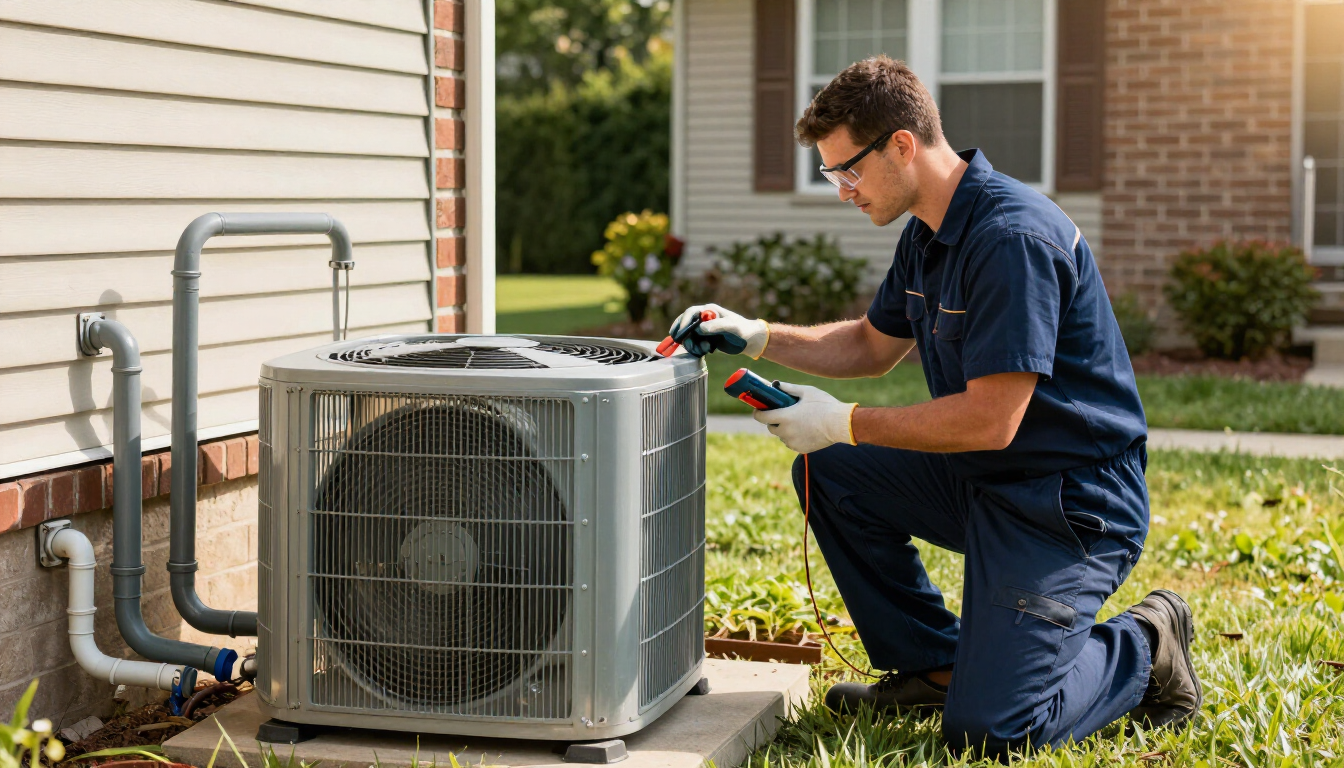
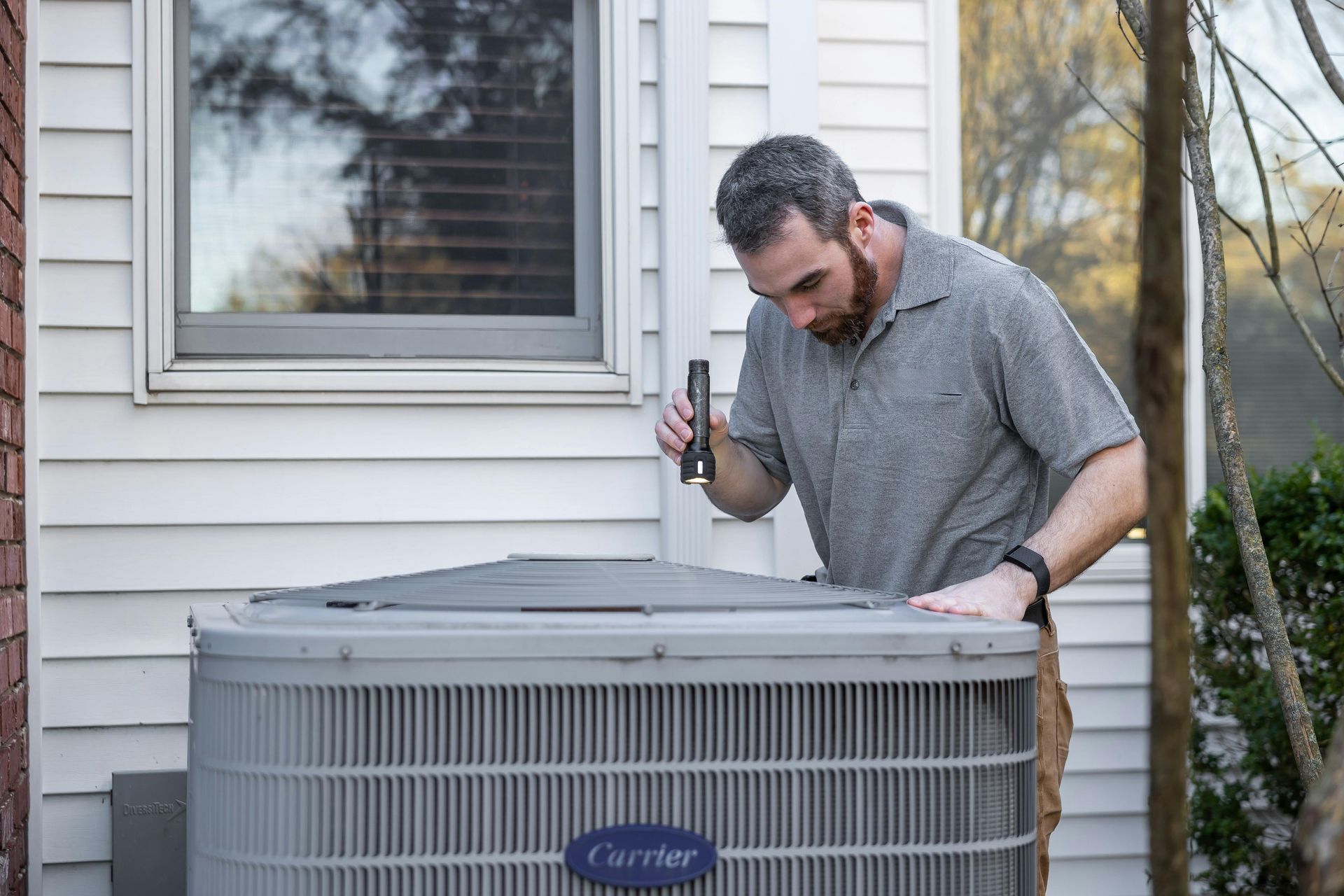
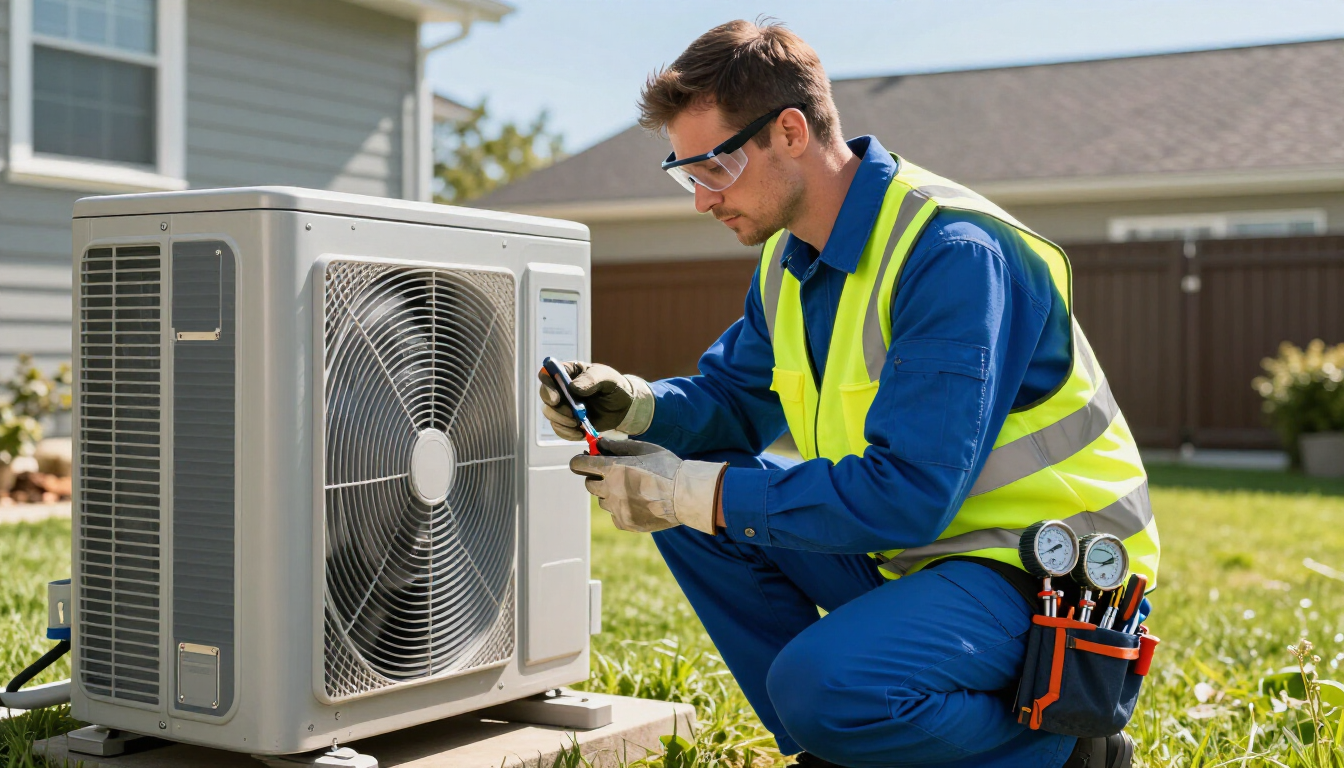
Emergency AC repair technician inspecting an outdoor unit

What should you do when your AC stops working?

When cooling fails, take a few simple steps before calling for service:

  1. Check the thermostat. Set it to “cool,” lower the temperature, and confirm the batteries work.
  2. Check the circuit breaker. If the AC breaker has tripped once, reset it carefully. If it trips again, leave it off and call a professional.
  3. Inspect the air filter. A severely blocked filter can restrict airflow and cause the system to shut down.
  4. Look for water or refrigerant leaks. Do not touch unknown fluids or attempt to repair refrigerant lines.
  5. Turn the system off if you smell burning, hear loud electrical buzzing, or see smoke. These signs may indicate an electrical or mechanical hazard.

Do not repeatedly restart a failing unit. Continuing to run it can turn a manageable repair into compressor damage or create a safety risk. For a complete evaluation, explore Comprehensive HVAC Diagnostics .

When do you need emergency AC repair services?

Not every cooling issue requires an after-hours call, but some problems should be addressed quickly. Contact an HVAC professional when:

  • The system will not turn on at all.
  • The indoor temperature is rising rapidly, especially during extreme heat.
  • The AC is leaking water near electrical components or causing ceiling or wall damage.
  • A breaker repeatedly trips after the system starts.
  • You smell burning plastic, scorched wiring, gas, or strong chemical odors.
  • The outdoor unit makes grinding, screeching, or repeated clicking sounds.
  • A vulnerable family member, older adult, child, or pet may be affected by unsafe indoor temperatures.

If you smell gas, leave the property and contact the appropriate emergency utility service. HVAC technicians can address air-conditioning problems, but suspected gas emergencies require immediate safety action first.

Common causes of a sudden AC breakdown

A cooling emergency can result from a small control issue or a major component failure. Common causes include:

Electrical problems

A failed capacitor, contactor, wiring connection, or control board can prevent the compressor or fan from starting. Electrical parts should be tested and replaced by a qualified technician.

Restricted airflow

Dirty filters, blocked return vents, closed registers, or a failing blower motor can reduce airflow. The system may freeze, overheat, or struggle to maintain the temperature.

Refrigerant issues

Low refrigerant is usually a sign of a leak, not something that simply gets used up. A professional should locate the leak, test the system, and charge it according to manufacturer specifications.

Frozen evaporator coil

Ice on the indoor coil can come from poor airflow, low refrigerant, or a mechanical problem. Turn off cooling but leave the fan setting on only if a technician has advised it; never chip away the ice with a sharp object.

Drain or condensate blockage

A clogged drain line or failed condensate pump can trigger a safety switch and stop cooling. Water damage may occur if the issue is ignored.

For broader repair options, see Heating and Cooling Service Repairs . Certified Comfort of Georgia has more than 26 years of experience diagnosing and repairing residential HVAC systems.

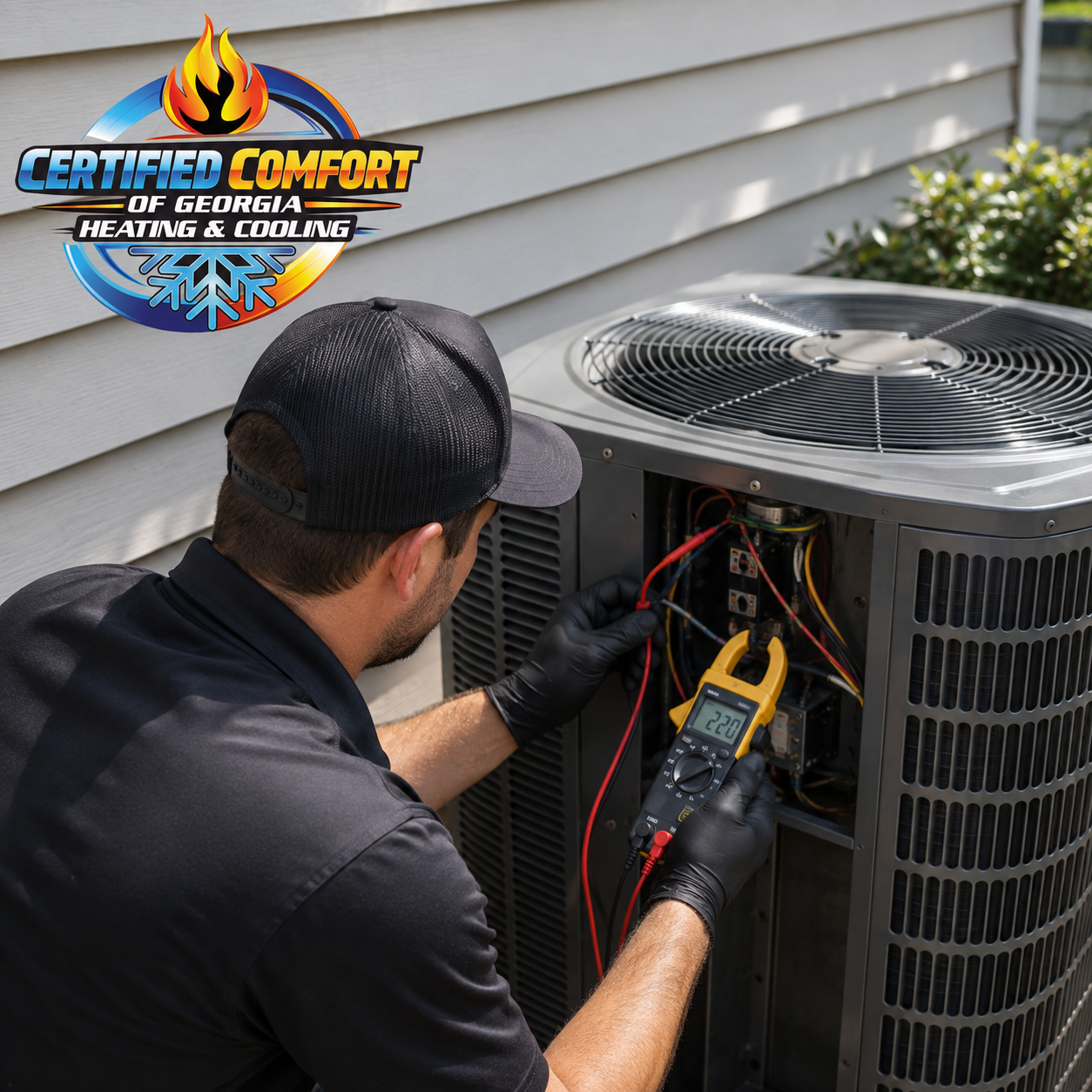
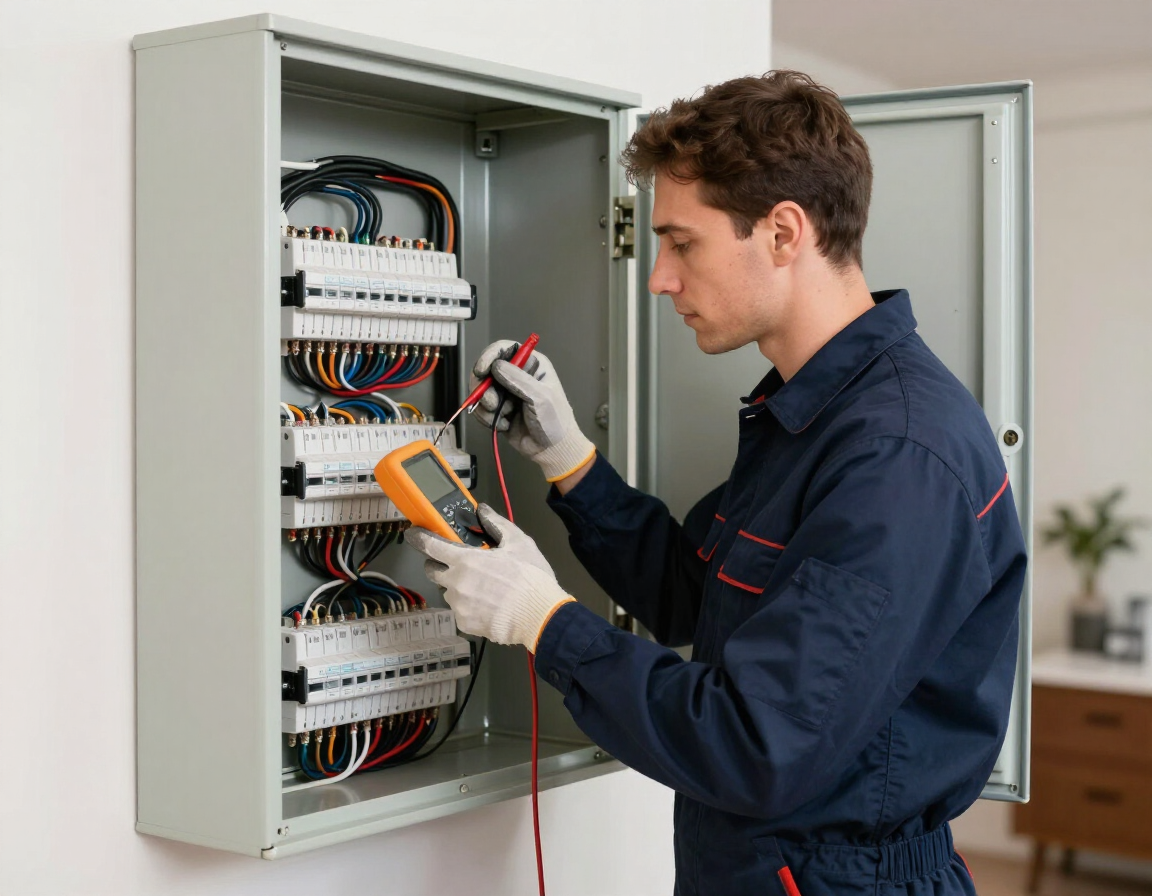
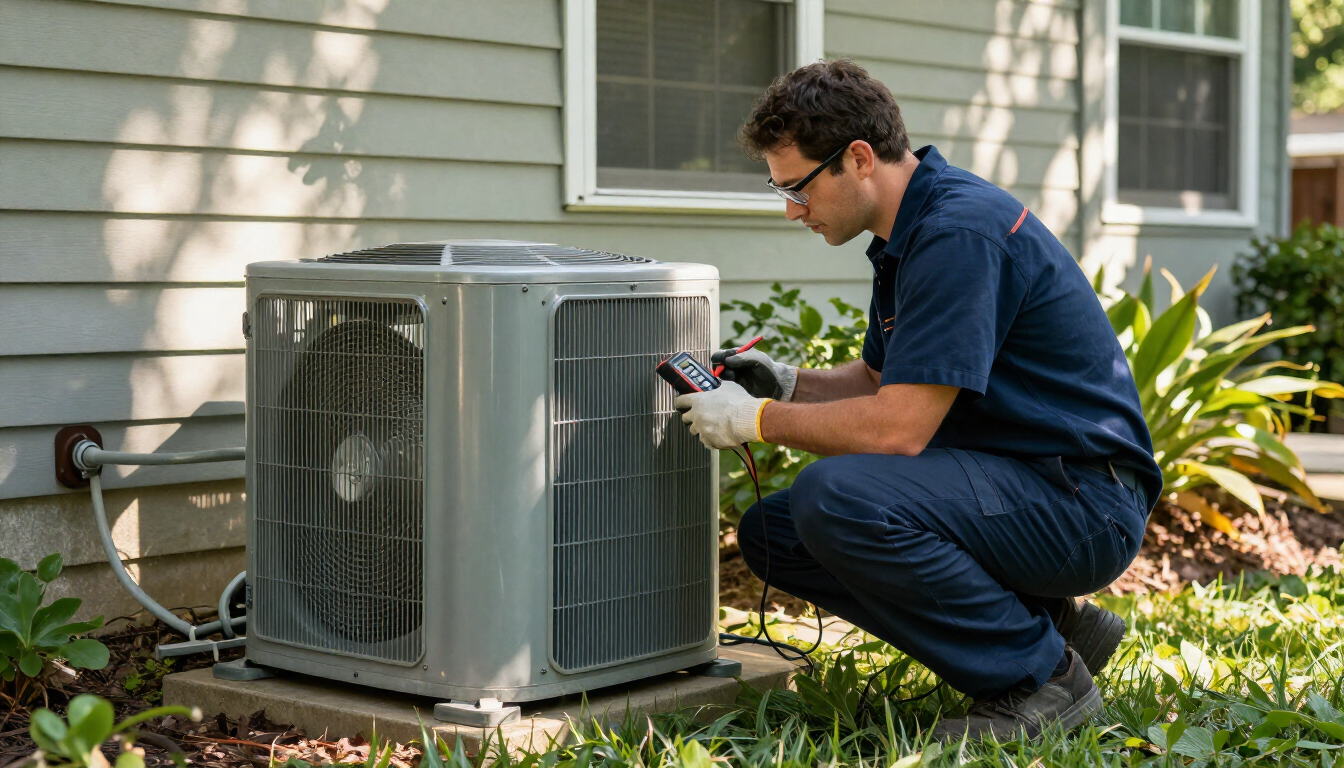
HVAC technician checking an air conditioner electrical panel

How does an emergency AC technician diagnose the problem?

A proper service visit should identify the cause, not just restart the equipment. A technician may:

  1. Confirm the thermostat call and inspect system controls.
  2. Measure voltage, amperage, and capacitor performance.
  3. Check filters, blower operation, duct airflow, and supply temperatures.
  4. Inspect the evaporator coil, condenser coil, drain system, and refrigerant circuit.
  5. Test safety controls and look for damaged wiring or overheating.
  6. Explain repair choices, urgency, expected performance, and replacement considerations.

Ask for a clear explanation before approving work. You should understand what failed, whether the repair is safe to complete, and whether a temporary fix could lead to another outage.

Repair or replacement: which option makes sense?

Emergency service does not automatically mean you need a new system. Repair may be practical when the equipment is relatively young, the failure is isolated, and the repair cost is reasonable. Replacement may deserve consideration when the system is older, requires frequent repairs, uses obsolete components, or has a failing compressor or heat exchanger.

A technician should evaluate:

  • Equipment age and maintenance history
  • Repair cost compared with replacement cost
  • Energy efficiency and monthly operating expenses
  • Availability of replacement parts
  • Comfort problems, airflow limitations, and indoor air quality
  • Warranty coverage and financing options

If replacement is the better long-term choice, review HVAC Installations and Financing before making a decision. A professional recommendation should be based on the condition of the entire system, not pressure to purchase.

What can emergency AC repair cost?

The price depends on the failed component, access to the equipment, system type, time of service, and whether additional damage is present. A simple thermostat, drain, or capacitor repair generally differs significantly from compressor, coil, refrigerant-leak, or electrical repairs.

Before work begins, ask:

  • Is there a diagnostic or emergency service fee?
  • What parts and labor are included?
  • Is the repair covered by a warranty?
  • What is the expected lifespan of the repair?
  • Are there safer or more cost-effective alternatives?

Exact pricing requires an on-site diagnosis. Be cautious of anyone who quotes a major repair without inspecting the equipment or clearly explaining the findings.

How can you prevent another cooling emergency?

Preventive care cannot eliminate every breakdown, but it can reduce avoidable failures. Replace filters on the schedule recommended for your home, keep outdoor equipment clear of vegetation, and avoid blocking supply or return vents. Schedule professional maintenance before the hottest part of the season.

You can also monitor warning signs such as uneven cooling, unusual sounds, rising energy bills, weak airflow, short cycling, or frequent breaker trips. Early attention is often easier and less expensive than waiting for a complete shutdown. See these Maintenance Tips for additional seasonal guidance.

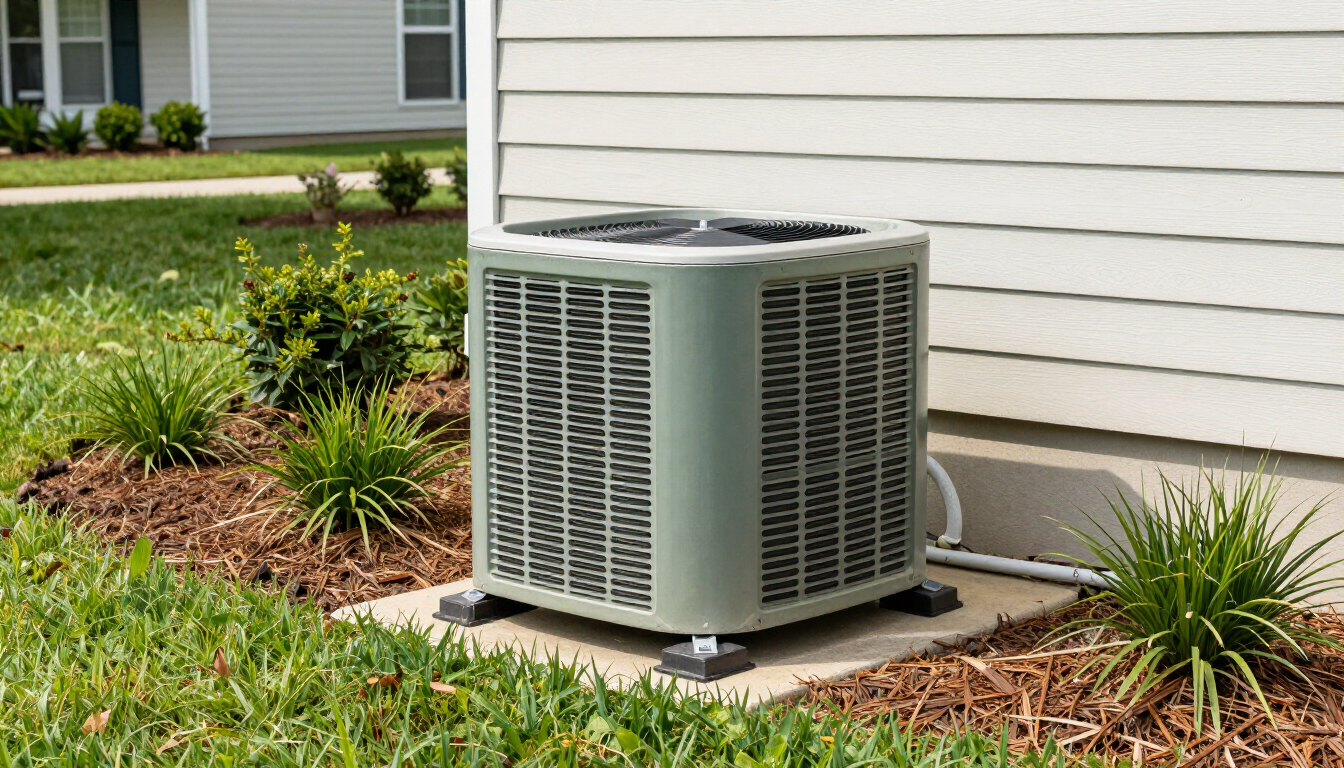
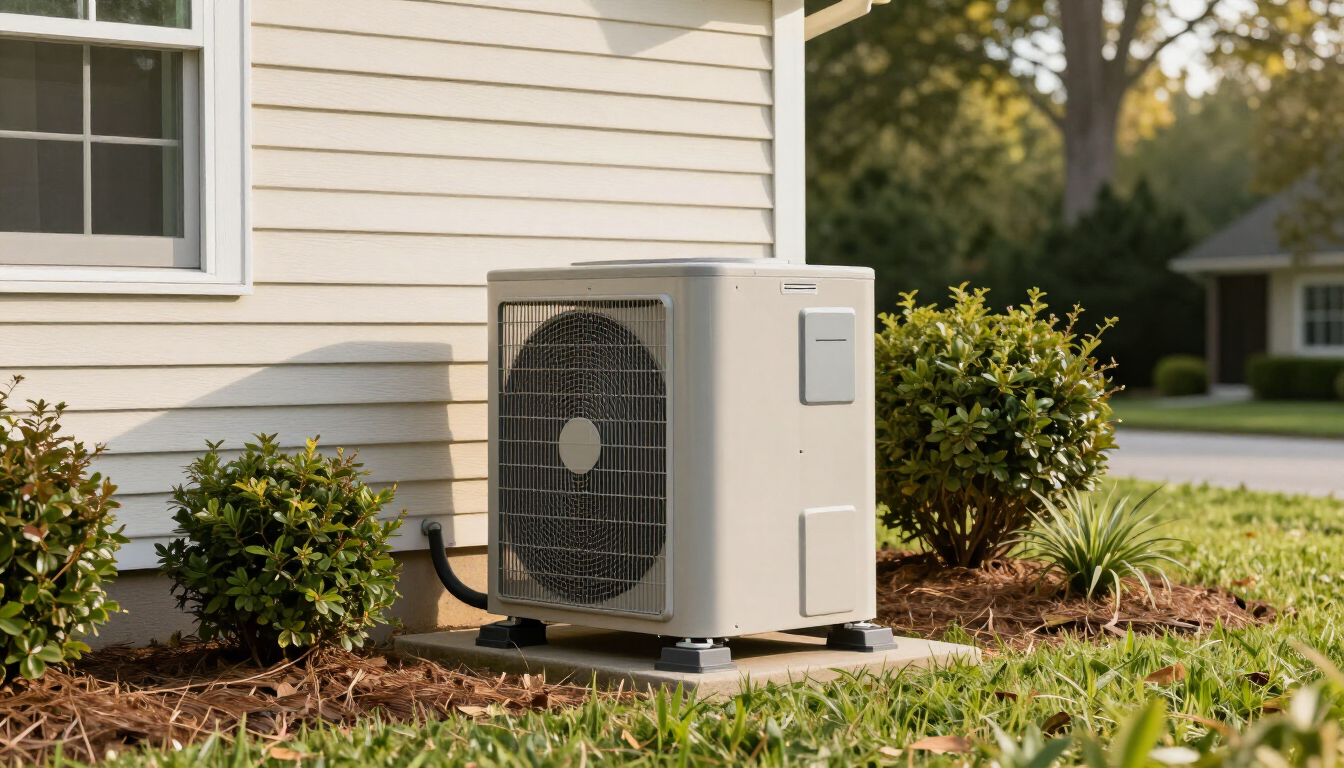
Residential outdoor air conditioner maintained in a clear, shaded area

Where does Certified Comfort of Georgia provide service?

Certified Comfort of Georgia serves homeowners across northeast Georgia, including Jefferson, Athens, Gainesville, Buford, Braselton, Hoschton, Commerce, Arcade, Maysville, Nicholson, Pendergrass, Winder, Flowery Branch, Oakwood, Lula, Bogart, and Statham.

The company is fully licensed and insured and provides diagnostics, service and repairs, installation, indoor air quality support, airflow and air balancing, and total system replacements. Visit Service Areas or Contact to request help. You can also review HVAC Services for a broader overview.

Frequently asked questions

Can I run my AC if it is making a loud noise?

Turn it off if the noise is grinding, screeching, banging, or accompanied by vibration. Continued operation may damage the motor, fan, compressor, or other components.

Should I add refrigerant myself?

No. Refrigerant service requires specialized equipment and safe handling. Low refrigerant usually indicates a leak that should be located and repaired.

How quickly should I call for service?

Call promptly when cooling is completely lost, temperatures are unsafe, water is leaking, electrical components are involved, or the system repeatedly trips a breaker.

Is emergency service available in Jefferson, Georgia?

Certified Comfort of Georgia serves Jefferson and surrounding Georgia communities. Contact the company to confirm current availability and scheduling.

Key takeaways

Emergency AC repair services are appropriate when cooling loss, leaks, electrical symptoms, unusual noises, or unsafe indoor temperatures require prompt attention. Start with basic thermostat and breaker checks, but stop operating the unit when safety concerns appear. A qualified technician should diagnose the underlying cause, explain repair choices, and help you compare repair with replacement when necessary. Certified Comfort of Georgia brings licensed, insured service and more than 26 years of experience to homeowners throughout northeast Georgia. If your system is failing now, document the symptoms, turn it off when appropriate, and contact a professional for an accurate evaluation.

We are a team of award-winning HVAC professionals

Give us a call for a no-obligation estimate today!


Stay up to date with the latest HVAC news, promotions, and tips to keep your system running smoothly.

Sign up by submitting your email below.

Contact Us

SHARE THIS

Latest Posts

Technician performing fall HVAC maintenance on a Georgia home heat pump
By Anastasia Roberts • October 19, 2026
Prepare your GA home for cool weather with 7 fall HVAC maintenance tips from Certified Comfort, including filters, airflow, heating checks, and when to call a pro.
HVAC fall maintenance in North Georgia
By Anastasia Roberts • October 9, 2026
Use these practical HVAC fall maintenance tips to save money, reduce stress, and stay comfortable through cold mornings and hot afternoons in North Georgia.
HVAC technician checking summer HVAC airflow issues
By Anastasia Roberts • September 26, 2026
Learn which HVAC airflow issues can make Georgia homes uncomfortable in summer and when to call Certified Comfort of Georgia for expert diagnosis and repairs.
How to save money on your AC bill in Georgia summer heat
By Wilsona Marketing Media • August 20, 2026
Learn how to save money on your AC bill during Georgia summers with practical thermostat, airflow, maintenance, and energy-saving tips from local HVAC experts.
Technician checking an AC unit for summer AC warning signs
By Anastasia Roberts • August 7, 2026
Learn the key summer AC warning signs that your system may be about to fail, plus what to do before a small HVAC problem becomes an emergency.
Branded white Certified Comfort of Georgia van parked in a suburban driveway in front of a house
By Anastasia Roberts • June 22, 2026
Discover the critical signs your cooling system needs attention. Learn when to schedule HVAC maintenance this summer to avoid breakdowns and high energy bills in North Georgia.
A well-maintained outdoor air conditioning unit in a sunny yard.
By Anastasia Roberts • May 24, 2026
Learn 10 essential summer HVAC maintenance tips to keep your Jefferson, GA home cool and efficient. Expert advice on filters, airflow, and professional tune-ups.
Professional HVAC technician working on an air conditioning system
By Anastasia Roberts • May 21, 2026
Learn why hiring a licensed and insured HVAC company like Certified Comfort of Georgia is essential for safety, warranty protection, and peace of mind in 2026.
Modern electric heat pump installed at a Georgia home.
By Anastasia Roberts • May 19, 2026
The Georgia HEAR Program provides no-cost or low-cost gas-to-electric HVAC conversions for qualified homeowners. Learn how to save on high-efficiency heat pumps today.
By Anastasia Roberts • February 5, 2026
Your HVAC system is one of the most important, and expensive, systems in your home. It keeps your family comfortable through Georgia’s hot summers and chilly winter nights. The good news? With a few simple habits and routine maintenance, you can extend the life of your HVAC system, lower energy bills, and avoid costly breakdowns. At Certified Comfort of Georgia , we help homeowners protect their heating and cooling investment every day. Here are practical, homeowner-friendly steps that make a big difference. 1. Change Your Air Filter Regularly This is the easiest and most powerful thing you can do. A clogged air filter forces your HVAC system to work harder than necessary. That extra strain leads to: Higher energy bills Reduced airflow Uneven temperatures Premature wear on components How often should you change it? Every 1–2 months in peak heating/cooling seasons Every 3 months in mild seasons More often if you have pets or allergies A clean filter improves efficiency and can add years to your system’s life. 2. Keep Vents and Registers Clear Blocked vents create pressure inside your system and disrupt airflow. This can cause overheating, frozen coils, and long-term damage. Make sure: Furniture is not covering vents Curtains are not blocking airflow Dust is regularly cleaned from registers Balanced airflow helps your system operate smoothly and evenly throughout the home. 3. Schedule Annual Professional HVAC Maintenance Preventative maintenance is the #1 factor in system longevity. During a professional tune-up, a technician will: Inspect electrical components Clean coils and internal parts Check refrigerant levels Test system performance Identify small issues before they become expensive repairs Think of HVAC maintenance like an oil change for your car; skipping it shortens the lifespan dramatically. Homeowners who schedule yearly maintenance often see their systems last 5–10 years longer than neglected units. Here at Certified Comfort of Georgia, we offer affordable annual membership packages to help keep your system functional and optimized year after year. Learn more about our plans HERE . 4. Keep the Outdoor Unit Clean Your outdoor condenser needs breathing room. Leaves, grass clippings, pollen, and dirt can build up around the unit and restrict airflow. When airflow is restricted, your system overheats and runs inefficiently. Simple maintenance tips: Keep at least 2 feet of clearance around the unit Gently hose off debris (with power off) Trim nearby shrubs and plants Remove leaves regularly Ensure bugs and ants are not building up around the unit (treat asap if they are) These small steps improve performance and reduces strain on the compressor which the most expensive part of your HVAC system. 5. Use a Smart Thermostat A programmable or smart thermostat reduces unnecessary runtime. Constant cycling puts stress on your system. Smart temperature scheduling allows your HVAC to maintain efficiency when you’re away and run smoothly when you’re home. Benefits include: Less wear and tear Lower energy costs More consistent comfort Better humidity control Small efficiency gains add up over years of operation. 6. Don’t Ignore Strange Sounds or Smells Your HVAC system will often warn you before major failure. Common warning signs include: Grinding or banging noises Burning smells Weak airflow Frequent cycling Sudden spikes in energy bills Calling a professional early prevents minor issues from becoming system-killing repairs. Waiting too long can turn a $150 fix into a multi-thousand-dollar replacement. 7. Seal Air Leaks in Your Home Poor insulation forces your HVAC to work overtime. If conditioned air escapes through: Attics Crawl spaces Doors and windows Duct leaks your system must run longer to maintain temperature. Sealing leaks reduces system strain and improves efficiency, extending overall equipment life. Why HVAC Maintenance Matters in Georgia Georgia’s climate is demanding. Long summers, humidity, and seasonal swings mean your HVAC works harder than systems in many other states. Without proper care, this heavy workload shortens lifespan quickly. Routine maintenance and smart homeowner habits help your system survive Georgia’s climate while staying efficient and reliable. Trust Certified Comfort of Georgia for HVAC Care Extending your HVAC system’s life starts with professional support. At Certified Comfort of Georgia , we provide expert maintenance, repairs, and system optimization designed to protect your investment and keep your home comfortable year-round. Our experienced technicians help homeowners: Prevent unexpected breakdowns Improve efficiency Extend equipment lifespan Lower energy costs Maintain reliable comfort If it’s been more than a year since your last HVAC tune-up, now is the perfect time to schedule service. Protect your system today and your future self (and wallet) will thank you. Contact Certified Comfort of Georgia for expert HVAC maintenance and care by calling 470-778-7436 .
Show More